
"tropical plants"
6000 article(s) found

Important conditions for coffee cultivation three necessary environmental factors for planting coffee trees
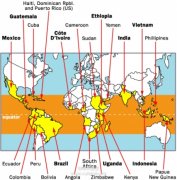
There is a noun called coffee belt. There are more than 60 coffee producing countries in the world, most of which are located in the tropics and subtropics between the Tropic of Cancer (latitude 2326). This coffee growing area is called coffee belt (Coffee Belt) or coffee area (Coffee Zone). The annual average temperature of the coffee belt is above 20 ℃, because the coffee tree is a tropical plant, if the temperature is below 20 ℃.

Alishan Tropical Dance Manor introduces what coffee producing areas are there in Taiwan?
Professional coffee knowledge exchange more coffee bean information please follow the coffee workshop (Wechat official account cafe_style) Taimali Township and Luye Township in Taitung can now see coffee trees. In the 1980s, home-grown coffee could be seen on the side of the Taijiu highway. Twenty years ago, Pan Yung-feng, director general of the Luye Rural Peasant Association, tried to grow coffee. At that time, the market of tea was good, and coffee was gradually replaced by tea gardens.

Where is the largest coffee producing area? Altura Coffee, Mexico
Soil conditions are also crucial. Coffee trees belong to shallow root plants, and the soil is rich in organic matter (with strong fertility), rich in water vapor (and smooth drainage), deep soil layer (usually above lm) and weakly acidic (the soil pH value of coffee planting in Yunnan, China is generally between 5.5 and 6.5). Guatemala, Brazil, Colombia, and Xavier in the United States

Coffee planting conditions Coffee planting techniques in China
In the 19th century, coffee was grown almost all over the country, followed by a coffee boom that lasted nearly a century. The extensive cultivation of coffee has brought wealth and prosperity to Brazil. At the beginning of the 20th century, Brazil accounted for more than 75% of the world's total coffee production, thus winning the reputation of the coffee kingdom. Coffee is one of the important pillars of Brazil's national economy. The whole country

Introduction of Papamara Apanica Honey Manor Honey treatment Bourbon
Honey Honey treatment Tropical Rainforest certified manor Honey Honey treatment is Finca San Carlos 100% bourbon honey treatment, located in Canton Potrero Grande Arriba, is home to many famous coffee farms in El Salvador. The farm is very close to the summit of Mount Santa Ana in Santa Ana. The manor has a stunning view, miniature

Tropical fruit, fermented Sidamo coffee beans introduce boutique coffee
Sidamo Cabedo is a small coffee cooperative in a small town in Dala, Sidamo Province. each small coffee farmer here has an average planting area of about 0.6 hectares and is composed of hundreds of coffee farmers. it is planted at an altitude of nearly 2000 meters above sea level. the climate temperature difference is large, and the soil is fertile, providing an excellent growing environment, and the raw bean itself exudes a strong aroma of raisins and fermented wine.

Introduction of highland, tropical climate, acid red volcano Kenya coffee growing area
Kenya Coffee growing area Kenya's coffee producing areas are mainly concentrated in Mount Kenya (Mt. The plateau region represented by Kenya). Tropical climate, acid red volcanic soil provides a natural and suitable growth environment for coffee. The main producing areas are Nyeri and Ruiru in the middle of the country. The Kenyan coffee variety was originally brought to Kenya for cultivation by Bou.

Planting conditions and distribution of coffee
What is coffee? Coffee (Coffee) is derived from the Latin word Coffea (biological word name) and belongs to a member of the Rubiaceae family. These plants are all woody plants, most of which are distributed in the tropics, with more than 500 classifications and about 6000 varieties. Most of the Coffea plants are tropical evergreen shrubs 5-6 meters high, and some can grow to more than 10 meters high.

Coffee planting conditions and natural factors of coffee tree planting
Professional coffee knowledge exchange more coffee bean information Please pay attention to the coffee workshop (Wechat official account cafe_style) Coffee trees grow in the tropics between the Tropic of Cancer and the Tropic of Cancer and near the equator, also known as the world coffee growth belt, caffeine varieties and regional factors, there are also great differences in appearance. Evergreen leaves from yellowish green to dark green or even
Coffee fundamentals Coffee with Coffee Zone
There are more than 60 coffee producing countries in the world, most of which are located in the tropics and subtropics between the Tropic of Cancer (latitude 2326). This coffee growing area is called coffee belt (Coffee Belt) or coffee area (Coffee Zone). The annual average temperature of the coffee belt is above 20 ℃, because the coffee tree is a tropical plant and cannot grow normally if the temperature is below 20 ℃. Coffee species

Coffee trees grow around the equator.
Coffee trees grow in tropical or subtropical agricultural gardens centered around the equator and called coffee belts. Most of the coffee production is between the Tropic of Cancer, 25 degrees north of the tropical or subtropical equator and 30 degrees south of the equator. An area with an annual average temperature of 16-25 degrees Celsius, no Frosts Descent and rainfall of 1600-2000 mm. At present, coffee is mainly produced by seven countries.

Tropical Rainforest Certification 2012 COE Fifth | Pacamara Yellow Honey of the Pyrenees Manor in El Salvador
Professional coffee knowledge exchange more coffee bean information please follow the coffee workshop (Wechat official account cafe_style) Tropical Rainforest Certification 2012 COE Fifth | the flavor of Pacamara yellow honey treatment on the Pyrenees manor in El Salvador? Pyrenees Manor (Los Pirineos) is famous in the boutique coffee world, not only because she has won eight El Salvador extraordinary cups (Cup of)
Areas and conditions suitable for growing coffee | how to grow Arabica coffee?
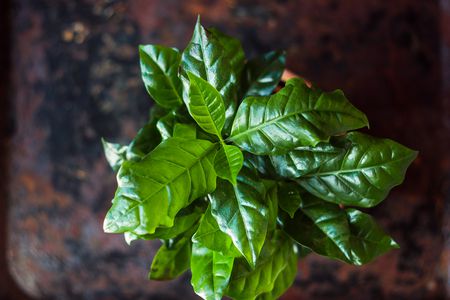
Professional coffee knowledge exchange more coffee bean information Please pay attention to the coffee workshop (Wechat official account cafe_style) Coffee planting areas and conditions since the coffee-producing countries we often come into contact with are tropical and subtropical climates between the Tropic of Cancer and Cancer, some people may take it for granted that coffee grows in the high temperature tropics, but in fact, coffee is usually planted.
The higher the altitude, the better the coffee beans?
The higher the altitude, the better are the coffee beans grown in Central America? the rating of Central American coffee is based on the altitude at which coffee grows. For example, SHB (Strictly Hard Bean) is the term for Guatemalan coffee beans, indicating that coffee grows above 4500 feet. Mexico is called Altura, which means high in Spanish, which means high-altitude coffee; Papua New Guinea has

Tropical climate, introduction of Santa Ana Volcano region with different elevations of El Salvador coffee-producing countries
The civil war in the 1980s made many coffee farmers in war zones unwilling to spend agricultural fertilizer on coffee plantations, resulting in the fact of "organic planting". After the war, coffee plantations with organic cultivation were set up with the assistance of the government, and many of them obtained the Eco-ok certification of the Rainforest Alliance (Rain forest-Alliance). At present, 2000 hectares of coffee plantations have been organically certified.

Colombian Paradise Manor Tropical Coffee beans which Coffee beans have tropical fruit flavor
Professional coffee knowledge exchange more coffee bean information please follow the coffee workshop (Wechat official account cafe_style) front street coffee Columbia Paradise Manor Tropical style Coffee Bean production area: Columbia Cauca Manor: paradise Manor treatment: double anaerobic washing varieties: Colombia, Castiu, Kaddura altitude: 2050m Cauca Cauca is Columbia
Coffee trees grow around the equator.
Coffee trees grow in tropical or subtropical agricultural gardens centered around the equator and called coffee belts. Most of the coffee production is between the Tropic of Cancer, 25 degrees north of the tropical or subtropical equator and 30 degrees south of the equator. An area with an annual average temperature of 16-25 degrees Celsius, no Frosts Descent and rainfall of 1600-2000 mm. At present, coffee is mainly produced by seven countries.

Environmental requirements for growing Coffee in Coffee Farm in India
Coffee planting conditions and distribution 1. What is coffee? Coffee (Coffee) is derived from the Latin word Coffea (biological word name) and belongs to a member of the Rubiaceae family. These plants are all woody plants, most of which are distributed in the tropics, with more than 500 classifications and about 6000 varieties. Most of the Coffea plants are tropical 5-6 meters high.
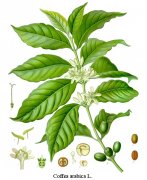
Coffee cultivation technique A tropical cash crop that is easy to cultivate
Coffee, cocoa and tea are called the three major beverages in the world, and their output, consumption and output value all rank first. In addition to being used as a beverage, coffee can also extract caffeine and coffee oil; in medicine, it can be used as an anesthetic, stimulant and diuretic cardiotonic agent. Coffee pulp can be used to make wine, vinegar, pectin and molasses; dried pulp can be used as animal feed; dried fruit shell can be used as fertilizer and burning

Where is the basic knowledge of boutique coffee?
Coffee trees grow in tropical or subtropical agricultural gardens centered around the equator and called coffee belts. Most of the coffee production is between the Tropic of Cancer, 25 degrees north of the tropical or subtropical equator and 30 degrees south of the equator. An area with an annual average temperature of 16-25 degrees Celsius, no Frosts Descent and rainfall of 1600-2000 mm. At present, coffee is mainly produced by seven countries.